How Do You Know When to.fix the Rack and Pinion
A steering rack
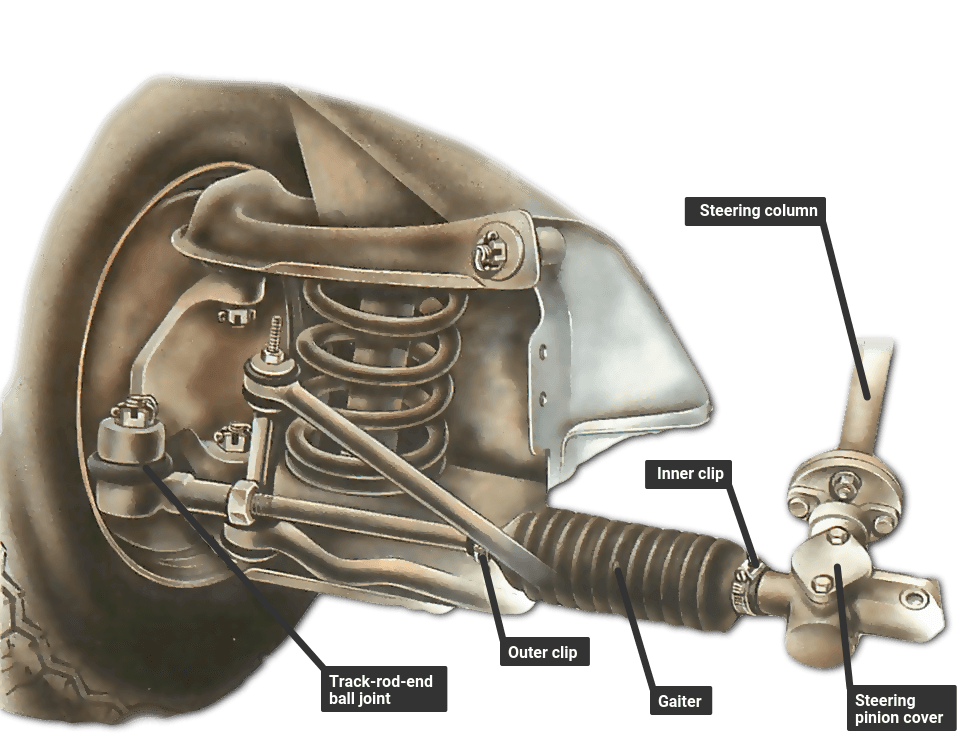
Part of a steering rack cheque involves raising the front end of the machine but retaining its weight on its wheels. Y'all must as well become underneath the car while a helper turns the wheels to and fro. Unless you can proceeds admission to a proper inspection pit you may have to apply wheel ramps. Make sure they are resting on a level surface and straight under the wheels.
Apply the handbrake firmly, brimming behind the rear wheels and put a rearwheel-drive car in gear ( park for an automatic ).
Take precautions as well when the machine is raised with its wheels off the basis . In that instance utilize beam stands under frame members - practise not work under a car raised on jacks.
The steering rack is filled with oil or grease which usually does non need renewing.
Even so, the rack can suffer from oil leaks, from grit getting in and dissentious it, and from unproblematic wear. Cheque it, together with the residuum of the steering system (See Checking steering swivel pins ).
If the steering feels potent, information technology may be because the rack has lost much of its oil. Renew the oil (See Lubricating steering swivel joints ) and clean the whole rack and gaiters.
Drive the car a few miles. Note whether topping up with oil has temporarily cured the stiffness. If it has, expect for oil runs around the rack.
Cleaning the rack may also reveal other damage, such as cracks, in which case the rack should exist replaced.
You can supersede gaiters yourself (Come across Replacing steering-rack gaiters ), provided that no grit has got into the rack and damaged it. Inspect the rack teeth when the steering is turned on total lock. Almost any other rack fault must be attended to by a garage.
Checking for wear
Measuring move
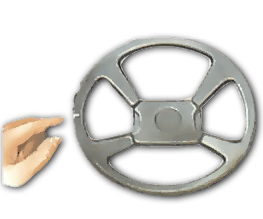
At that place should be very little play in a steering rack system. It should non exist possible to movement the rim of a 15in (380mm) diameter steering wheel more than 1/2in (13mm) without the front wheels moving.
If play seems to be greater than this, cheque all the other steering joints. Brand sure that the rack is properly secured by testing its clamping bolts.
Check the rack itself by placing yourself where y'all can come across one of the rail rods.
This may involve getting under the car, which must, however, accept its weight on the front wheels and the wheels pointing directly ahead. Bulldoze it on to a pair of ramps.
Have a helper inside the car and chalk a marking on the steering-wheel rim to evidence how far it moves.
Tell the helper to move the cycle very slowly, and to stop when you lot call out. Telephone call when yous meet the runway rod move.
If the wheel has moved more than than the allowed distance, the rack needs adjustment or replacement both are garage jobs.
Besides check the steering-pinion bearing for wear by grasping the steering-column shaft and trying to move it in and out and across.
If the splined articulation to the steering shaft moves, tighten the pinch bolt. If the pinion shaft itself moves, take the car to a garage for repair.
Run across that the gasket edge on the steering-pinion comprehend is not damaged and that the comprehend-retaining bolts are tight.
Y'all tin can tighten the bolts yourself; merely other work, such as renewing the gasket or the pinion-shaft oil seal , should be washed by a garage.
Inspecting gaiters
A leak may be acquired by a loose clip, or past the gaiter being misplaced nether a prune. The rubber itself may be damaged, so always bank check the whole gaiter thoroughly forth its length.
Depending on the layout of your machine, you may demand to raise the car on axle stands or fifty-fifty remove the front wheels to audit the gaiters. Utilise a small mirror and a torch or inspection lamp to help you to inspect parts that are awkward to encounter.
Practice not plow the steering wheel rapidly when the car is not standing on its wheels. The resulting surge of pressure can burst the gaiters.
Clean the gaiters thoroughly (use a proprietary degreaser if necessary - not alkane or petrol, which may damage the safety). Whatever oily or greasy patch caked with dirt could mean a crack - and then check thoroughly.
Make sure a gaiter is not twisted. Get a helper to turn the steering slowly and then that you can encounter whether any are twisted.
Salve any twist by loosening the inner gaiter clip, straightening the gaiter and refastening the prune. If information technology was a wire clip, replace it with a new screw clip.
Do not alter the placing of the outer end of the gaiter, which must exist verbal to prevent overstretching.
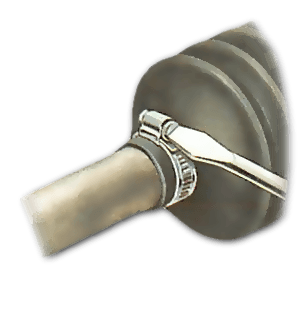
Examine the clips to brand sure they are tight (but not so tight every bit to cutting into the rubber). Make sure also that they are in the correct place and not badly corroded. Rusty clips should exist replaced.
Expect over the whole gaiter carefully for cracking and chafing. Cracks are most likely at the crests and troughs of the ridges, and at the ends.
Squeeze the gaiter with your fingers. Then take a helper turn the steering slowly while you watch for cracks opening up.
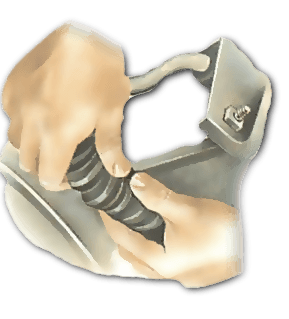
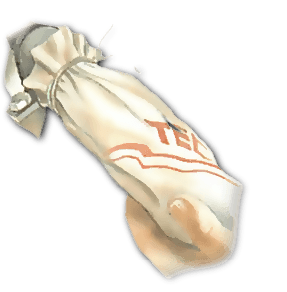
Fifty-fifty the smallest cleft may allow grit in as well as letting oil out. As a temporary measure, necktie a plastic bag firmly over the gaiter while it is extended.
Source: https://www.howacarworks.com/steering/checking-rack-and-pinion-steering
0 Response to "How Do You Know When to.fix the Rack and Pinion"
Post a Comment